IPTV German 8K: What the Resolution Actually Means for You
IPTV German 8K in Numbers
IPTV German 8K refers to streaming German-market IPTV content at 8K resolution — the highest consumer video standard currently available, offering four times the detail of 4K and sixteen times that of standard 1080p HD. For German viewers with fiber-grade internet and an 8K-capable display, it represents the sharpest picture quality an IPTV subscription can currently deliver.
Want to see 8K quality for yourself?
Request a Free Trial on WhatsAppResolution Standards Compared
| Standard | Resolution | Minimum Speed | Best For |
|---|---|---|---|
| SD | 720×480 | 4 Mbps | Weak or capped connections |
| HD | 1280×720 | 10 Mbps | Standard everyday viewing |
| FHD | 1920×1080 | 18 Mbps | Most modern TVs |
| 4K (UHD) | 3840×2160 | 25 Mbps | Large-screen viewing |
| 8K | 7680×4320 | 45 Mbps+ | 8K displays, premium content |
Each step up the resolution ladder demands meaningfully more bandwidth, which is why IPTV German 8K specifically requires a fiber-grade connection to stream reliably rather than an average DSL line common in some parts of Germany.
Do You Actually Need an 8K Display?
An 8K IPTV stream only shows a visible improvement over 4K on a genuine 8K-capable television, and even then, primarily on very large screens viewed from a relatively close distance. On a standard 4K TV, an 8K signal gets downscaled automatically, meaning you’re unlikely to notice a meaningful difference over a well-encoded 4K stream in everyday viewing. This is worth knowing before prioritizing 8K availability over other factors like channel stability, since the resolution jump only matters if your actual hardware can display it.
German Fiber Coverage and 8K Readiness
Fiber-to-the-home (FTTH) coverage has expanded significantly across major German cities in recent years, making IPTV German 8K a realistic option for a growing share of urban and suburban households. Berlin, Munich, Hamburg, Frankfurt, and Cologne generally have strong fiber availability supporting the 45 Mbps or higher speeds 8K streaming requires. Smaller towns and rural regions still relying on older DSL infrastructure are more likely to max out comfortably at HD or 4K rather than reliably sustaining 8K, which is worth checking against your specific address before assuming 8K is available to you.
Which Content Is Actually Available in 8K
It’s worth setting realistic expectations here: even on the best IPTV German 8K subscriptions, only a select number of premium channels and VOD titles are actually mastered and delivered in true 8K, rather than the entire channel lineup. Most live channels stream at HD, FHD, or 4K, with 8K typically reserved for flagship sports broadcasts, premium movie content, and select showcase channels. Checking specifically which content is offered in 8K, rather than assuming the entire subscription runs at that resolution, avoids disappointment after subscribing.
Not sure if your connection supports 8K?
Ask Us on WhatsAppDevices That Support 8K IPTV Playback
- 8K Smart TVs: The most straightforward way to view IPTV German 8K content natively.
- High-end Android boxes: Select premium models support 8K decoding, though many mid-range boxes cap at 4K.
- Newer game consoles and media players: Some support 8K passthrough depending on the specific model and firmware.
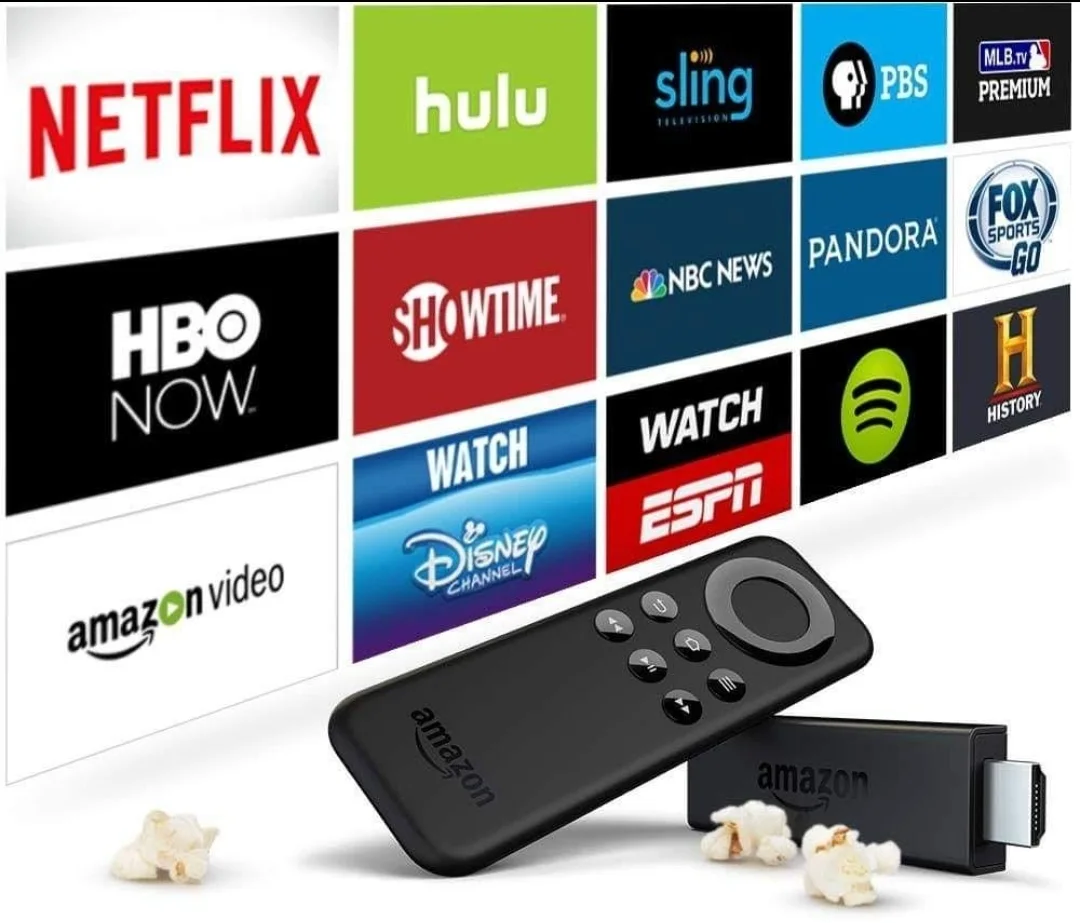
- Standard Fire TV Stick and older Android boxes: Generally limited to 4K, automatically downscaling any 8K signal received.
Confirming your specific device supports genuine 8K decoding — not just an 8K-labeled HDMI passthrough — is worth checking before assuming you’ll see the full resolution benefit.
Network Setup for Reliable 8K Streaming
Beyond raw connection speed, a stable IPTV German 8K experience benefits from a wired Ethernet connection to your streaming device rather than relying on Wi-Fi, particularly in larger homes or apartments with more wall interference. A dedicated 5GHz Wi-Fi band can work adequately at shorter range, but Ethernet consistently delivers the steadier, lower-latency connection that high-bitrate 8K content benefits from most, especially during fast-motion sports or action content where dropped frames are most noticeable.
Storage and Bandwidth Considerations for Households
Households running multiple devices simultaneously need to account for combined bandwidth demand, not just the single-stream requirement. A household streaming one 8K feed alongside two additional HD streams on other devices needs considerably more total bandwidth than the 45 Mbps single-stream minimum suggests — realistically closer to 70-80 Mbps combined for a smooth simultaneous experience across all devices. This is worth factoring into your internet plan before assuming a borderline connection will handle 8K IPTV alongside typical household internet use.
Is IPTV German 8K Worth Prioritizing Over Other Factors?
For most German households, channel stability, accurate EPG data, and reliable sports coverage matter more day-to-day than access to a handful of 8K channels. IPTV German 8K is a genuine premium feature worth having if your hardware and connection already support it comfortably, but it shouldn’t be the deciding factor over a provider that scores well on the fundamentals but offers 8K on fewer channels. Testing during a free trial remains the best way to judge whether the actual difference matters to your specific viewing setup.
How 8K Video Compression Actually Works
Streaming IPTV German 8K content efficiently relies heavily on modern video codecs like H.265 (HEVC) or the newer AV1 standard, both of which compress the enormous amount of raw 8K data down to a manageable bitrate without an unreasonable loss in visible quality. Older codecs simply can’t compress 8K efficiently enough for practical streaming, which is why a provider’s underlying encoding technology matters as much as their advertised resolution — two providers both claiming “8K” support can deliver noticeably different results depending on which codec and bitrate they’re actually using behind the scenes.
This is worth asking about directly if a provider’s 8K claim seems central to their marketing, since a poorly encoded 8K stream can actually look worse in practice than a well-encoded 4K one, despite the higher nominal resolution.
The History Behind 8K’s Slow Adoption
8K displays have been commercially available for several years now, but adoption has been notably slower than earlier resolution jumps like SD to HD or HD to 4K. Content availability has been the main bottleneck — very little native 8K content exists industry-wide, since production, storage, and delivery costs scale steeply with resolution. IPTV German 8K providers offering genuine 8K content are effectively ahead of much of the broader entertainment industry in this respect, though this also means the selection remains genuinely limited compared to the much broader 4K and HD libraries most providers offer.
Comparing 8K IPTV to 8K Blu-ray and Physical Media
For context, it’s worth understanding how IPTV German 8K streaming compares to physical 8K media, which remains extremely rare and expensive where it exists at all. Streamed 8K, even when well-encoded, typically uses more aggressive compression than physical media to keep file sizes and bandwidth requirements manageable, meaning it won’t match the theoretical maximum quality of an uncompressed 8K master.
In practice, this difference is difficult for most viewers to notice on a typical living-room setup, and streamed 8K remains dramatically more accessible and affordable than sourcing physical 8K media, which barely exists as a consumer product category at all.
Future-Proofing Your Setup for 8K
If you’re planning ahead rather than needing IPTV German 8K immediately, a few considerations help future-proof your setup. Choosing an internet plan with meaningful headroom above the current 45 Mbps minimum gives room for household bandwidth growth over time. Selecting a router and networking equipment rated for higher throughput avoids becoming a bottleneck even once your internet plan supports higher speeds. And confirming a provider’s roadmap for expanding 8K content, rather than assuming today’s limited selection will stay static, is a reasonable question to ask if 8K availability is a long-term priority for your household.
How to Test Your Connection for 8K Readiness
Before subscribing specifically for IPTV German 8K content, it’s worth running a proper speed test using a wired connection directly to your router, rather than testing over Wi-Fi, since wireless interference can understate your actual available bandwidth. Testing at the time of day you’d typically watch — usually evening hours when overall network congestion in your area is higher — gives a more realistic picture than a midday test when fewer people are online.
If your tested speed comes in close to the 45 Mbps minimum rather than comfortably above it, it’s worth treating 4K as your realistic target rather than 8K, since real-world performance often runs slightly below advertised connection speeds.
8K and HDR: Two Separate Upgrades
It’s a common misconception that 8K automatically includes HDR (High Dynamic Range) improvements to color and contrast, but these are technically separate features that don’t always travel together. A channel or title can be delivered in 8K without HDR, or in 4K with HDR, and the two provide genuinely different visual improvements — resolution affects sharpness and detail, while HDR affects color depth and contrast range. When evaluating IPTV German 8K content specifically, it’s worth checking whether HDR is included alongside the resolution bump, since the combination delivers a more noticeable overall improvement than either upgrade alone.
Practical Signs Your Setup Is Ready
- Speed test consistently above 50 Mbps during evening hours, not just off-peak testing.
- A genuine 8K-capable display confirmed in your TV’s specifications, not just a large 4K screen.
- A wired Ethernet connection available to your streaming device rather than relying solely on Wi-Fi.
- A streaming device or app confirmed to support true 8K decoding rather than passthrough only.
- Realistic expectations about which specific channels or titles are actually available in 8K.
What to Ask a Provider About Their 8K Offering
Before subscribing specifically for IPTV German 8K access, a short set of direct questions clarifies what you’re actually getting. Ask which specific channels or content categories are available in true 8K rather than assuming the whole lineup qualifies. Ask what codec and typical bitrate they use for 8K delivery, since this affects real-world quality more than the resolution label alone. And ask whether their 8K offering has expanded over time, which is a reasonable signal of ongoing investment in premium content rather than a one-time marketing claim that hasn’t been updated since launch.
Comparing IPTV German 8K Across Household Sizes
Bandwidth planning for IPTV German 8K looks different depending on household size and viewing habits. A single-person household streaming one 8K feed at a time has relatively straightforward requirements, comfortably met by most modern fiber plans. A larger household with several people streaming simultaneously on different devices needs to plan for combined demand rather than the single-stream minimum, since multiple concurrent HD or 4K streams alongside one 8K feed can quickly exceed a connection that only barely meets the baseline requirement for 8K alone.
Households in this situation often find it more practical to reserve 8K viewing for a primary screen during quieter periods when other devices aren’t simultaneously streaming, rather than assuming every device can run at maximum quality at the same time regardless of total household bandwidth.
Regional Availability Notes Within Germany
While major German cities generally support the connection speeds IPTV German 8K requires, it’s worth checking availability at your specific address rather than assuming city-wide fiber coverage applies uniformly. Even within well-connected cities, older buildings or specific neighborhoods sometimes lag behind newer fiber rollouts, meaning two households in the same city can have meaningfully different realistic quality ceilings. A quick check with your internet provider about the exact speed available at your address is a more reliable planning step than assuming based on general regional reputation alone.
Common Mistakes When Chasing 8K
- Assuming any “8K TV” purchase automatically means 8K IPTV works flawlessly without checking your actual internet speed against the requirement.
- Overlooking codec and bitrate quality in favor of the resolution label alone, leading to disappointment with a poorly encoded 8K stream.
- Expecting the full channel lineup in 8K rather than understanding it’s typically limited to select premium content.
- Ignoring combined household bandwidth when multiple devices stream simultaneously alongside the 8K feed.
- Skipping a wired connection test and assuming Wi-Fi alone will reliably sustain the required bitrate.
When 4K Is the Smarter Choice
For a meaningful share of German households, 4K remains the more practical choice than chasing IPTV German 8K specifically, particularly on connections that meet the 4K threshold comfortably but sit closer to the minimum for 8K. A stable, well-encoded 4K stream generally provides a more consistent viewing experience than an 8K stream that occasionally drops to a lower resolution or buffers due to marginal bandwidth. Prioritizing stability at 4K over an inconsistent 8K experience is often the better real-world outcome, even for households technically capable of hitting 8K speeds under ideal conditions.
How Provider Infrastructure Affects 8K Delivery
Beyond your own connection, a provider’s server-side infrastructure plays an equally important role in whether IPTV German 8K content streams smoothly. Servers need sufficient upstream bandwidth and encoding capacity to deliver 8K bitrates to multiple simultaneous viewers without degrading quality during peak hours. A provider offering 8K on paper but running under-resourced servers may struggle to maintain that quality consistently once real subscriber demand hits their infrastructure, which is another reason testing during an actual evening viewing window matters more than reading a features list alone.
A Realistic Timeline for 8K Adoption in Germany
Looking ahead, broader IPTV German 8K adoption will likely track closely with continued fiber rollout across smaller German towns and rural regions still on older infrastructure, alongside falling prices for genuine 8K displays. Content availability will probably remain the slower-moving piece, since producing and licensing native 8K content is a bigger industry-wide bottleneck than either connection speed or display hardware. For now, treating 8K as a genuine bonus feature on top of a provider that already performs well at 4K and HD is a more realistic framing than expecting it to become the dominant standard in the immediate future.
Checking Before You Commit
A brief pre-subscription checklist keeps expectations realistic before paying specifically for IPTV German 8K access. Confirm your tested connection speed during evening hours, verify your display genuinely decodes 8K rather than just accepting an 8K-labeled signal, ask which specific channels are offered at that resolution, and check whether a free trial lets you preview the actual quality before committing to a longer plan. Running through these four checks takes only a few minutes and avoids the most common source of disappointment reported by 8K IPTV subscribers.
Final Thoughts
IPTV German 8K represents the top of the current resolution ladder, genuinely impressive on the right hardware and connection but only relevant to a subset of German households with fiber-grade internet and an 8K display. Check your actual connection speed, confirm your device supports true 8K decoding, and verify which specific channels or content are offered at that resolution before treating it as the primary factor in choosing a provider.
Ready to test the picture quality yourself?
Get Your Free 24-Hour TrialFrequently Asked Questions
What internet speed do I need for IPTV German 8K?
At least 45 Mbps for a single stream, with more needed if multiple devices are streaming simultaneously in the same household.
Do I need an 8K TV to notice a difference?
Yes — on a standard 4K TV, an 8K signal gets downscaled automatically and won’t show a meaningful visible improvement.
Is the entire channel lineup available in 8K?
No — 8K is typically reserved for select premium channels and showcase content, with most channels streaming in HD, FHD, or 4K.
Is fiber internet required for 8K streaming in Germany?
It’s strongly recommended — DSL connections common in some German regions generally can’t sustain the required bandwidth reliably.
Which devices support 8K playback?
8K Smart TVs and select high-end Android boxes support true 8K decoding; standard Fire TV Sticks and older boxes typically cap at 4K.
Can I test 8K streaming before subscribing?
Yes — a free trial is the best way to confirm your connection and device deliver a genuine 8K experience before committing to a plan.